From Hesitation to Action: Eliminating the Confidence Gap
When Maya, the non-profit leader I mentioned in an earlier story, first came to coaching, she had no shortage of vision.
Her team respected her, donors believed in her mission, and her programs were changing lives. But behind closed doors, she admitted something few leaders like to say out loud:
“I know what needs to be done… but I hesitate. I second-guess myself. I wait too long. And sometimes, I miss opportunities because of it.”
This wasn’t a skills gap. It was a confidence gap—the space between what she knew she was capable of and what she actually acted on.
And that gap was costing her energy, momentum, and influence.
The Hidden Cost of Hesitation
Leaders often think hesitation is harmless—“better safe than sorry,” right? But in reality, hesitation has a steep price:
- Lost time. Opportunities pass by while you’re stuck debating.
- Drained energy. Overthinking is exhausting.
- Weakened presence. Teams pick up on uncertainty, which impacts their confidence too.
In Positive Intelligence terms, this is the work of saboteurs—the Judge, the Stickler, or the Avoider—voices that whisper: “Don’t get it wrong. You’re not ready. Wait until it’s perfect.”
But confidence doesn’t come from waiting. It comes from moving.
The Neuroscience of Action
Here’s what happens in the brain:
- Survival Mode: When you hesitate, the amygdala (fear center) activates, keeping you in analysis and self-protection.
- Action Mode: When you take even a small step forward, your prefrontal cortex engages. Dopamine (the reward chemical) is released, reinforcing progress and strengthening confidence.
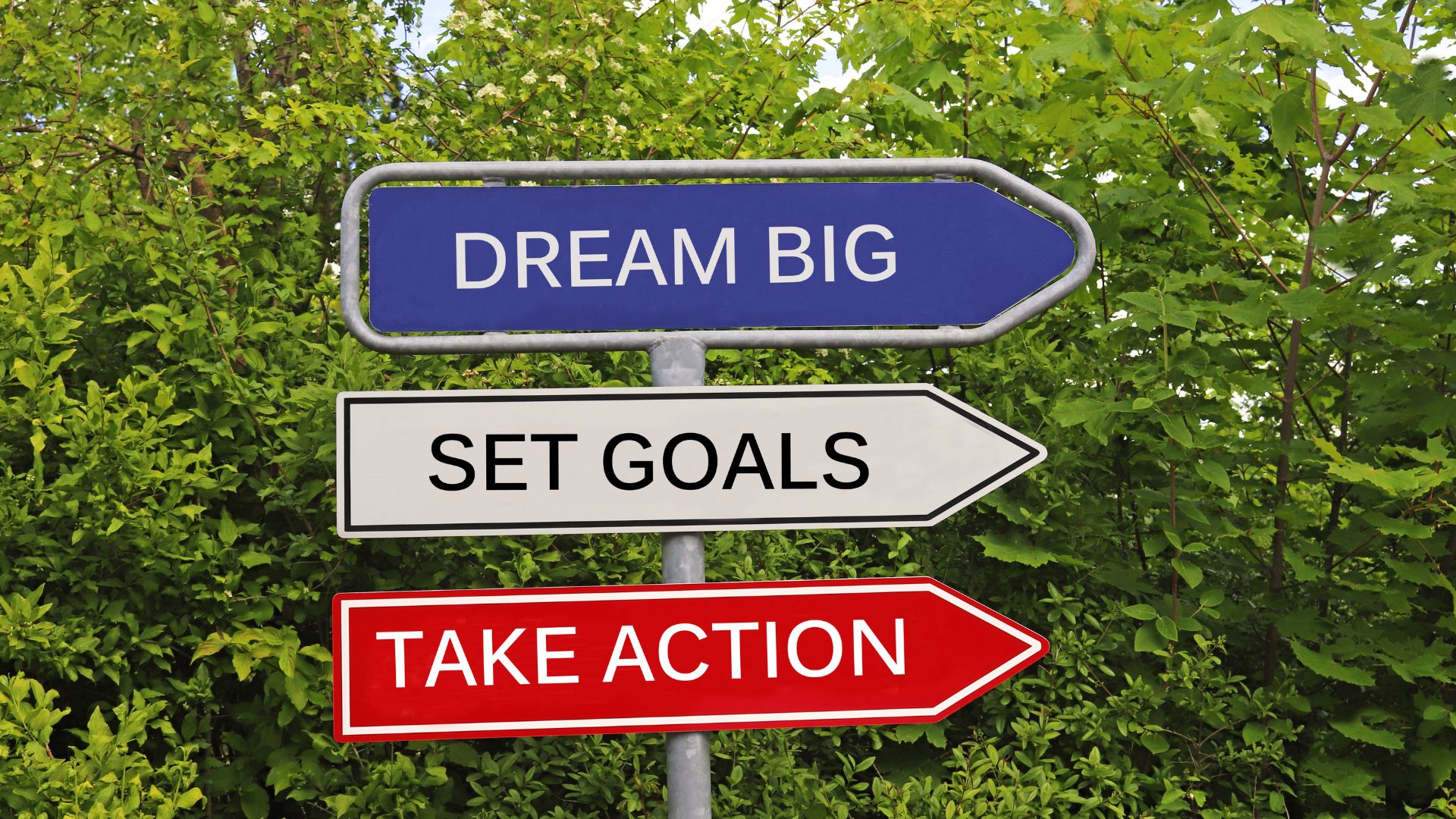
In other words, action rewires the brain for confidence. The path to confidence is taking action, not waiting for it.
Maya’s Turning Point
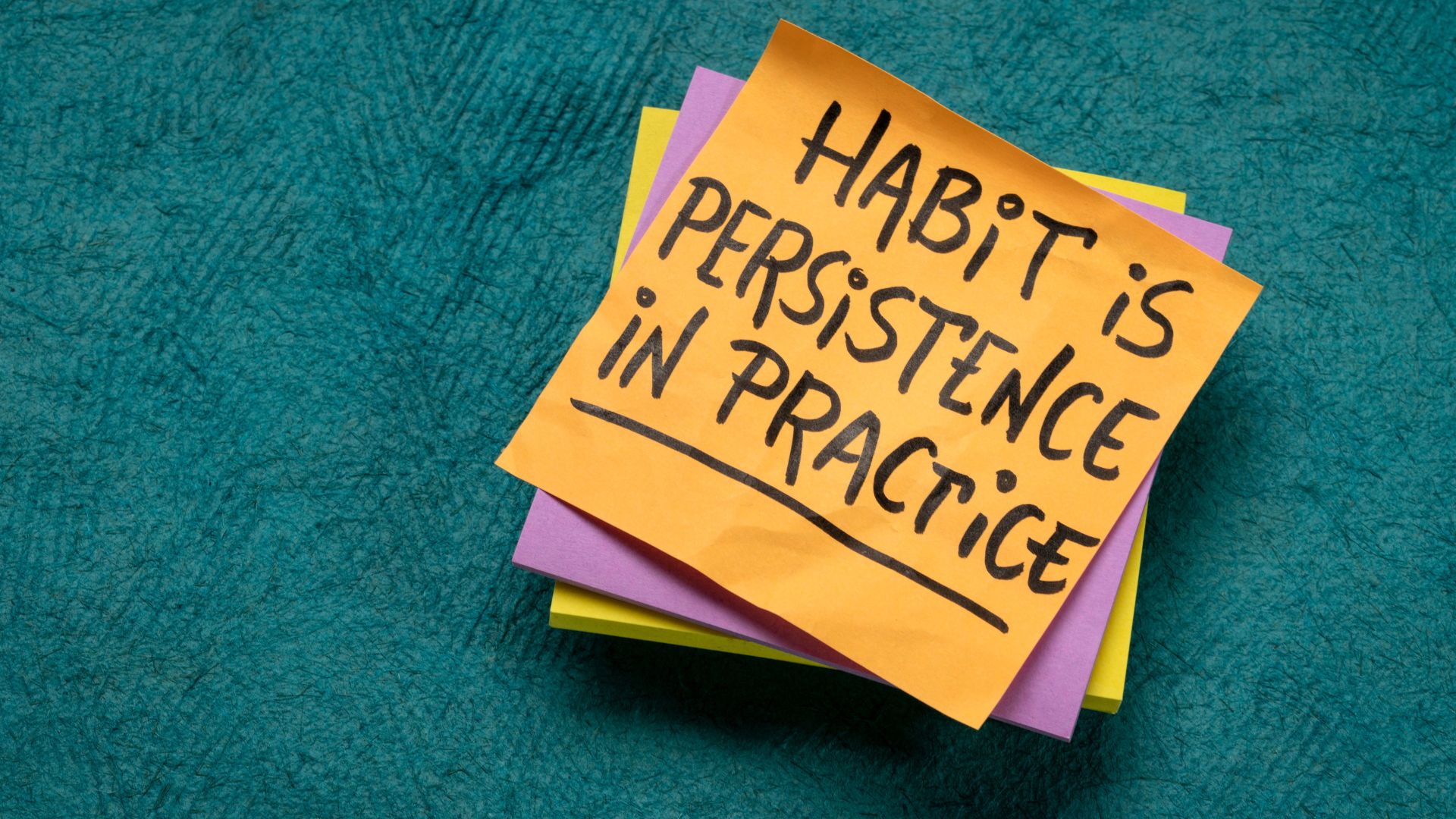
Maya’s breakthrough came when she started practicing a simple shift: notice the hesitation → name the saboteur → take one small action.
Instead of sitting on an email draft for days, she sent it. Instead of waiting for the “perfect” plan before announcing a new initiative, she shared the vision and invited her team to help shape it.
At first, it felt uncomfortable. But with each small step, her confidence grew. Her team began to see her not only as a visionary but as a decisive leader who could move ideas into action.
The gap between knowing and doing started to close.
Why This Matters for Leaders
Every leader faces moments of hesitation. But the difference between leaders who stall and leaders who succeed is how quickly they move from hesitation to action.
Confidence isn’t the absence of fear. It’s the willingness to act in the presence of fear.
And the more you practice it, the more natural it becomes.
The Takeaway
Maya didn’t eliminate hesitation by waiting for confidence to magically appear. She built confidence by taking small, consistent actions—even when it felt risky.
That’s how leaders eliminate the confidence gap:
Not by waiting to feel ready, but by acting their way into readiness.
Reflection Question
Where in your leadership do you hesitate, even when you already know the right next step?
Action Step
This week, notice one moment of hesitation. Instead of waiting, take one small action within 24 hours. Let action—not perfection—build your confidence.