Why Emotional Resilience Is the Real Superpower of Leaders
In 2009, Howard Schultz returned as CEO of Starbucks. The company was in serious trouble—sales were plummeting, stores were closing, and morale was shaky.
Many expected Schultz to cut aggressively and focus purely on financial survival. Instead, he did something different: he doubled down on the values and culture that had built the company in the first place.
He made tough decisions, yes—but he also reminded employees of the bigger mission. He listened. He showed vulnerability about the challenges. And he inspired his team not by pretending everything was fine, but by staying steady and hopeful in the storm.
That steadiness—rooted in emotional resilience—helped Starbucks not just survive, but return stronger.
What Is Emotional Resilience?
Emotional resilience is the ability to stay grounded, adaptive, and resourceful under pressure.
It’s not about ignoring emotions or pretending to be “tough.” It’s about:
- Acknowledging challenges without being consumed by them.
- Recovering quickly from setbacks.
- Choosing response over reaction.
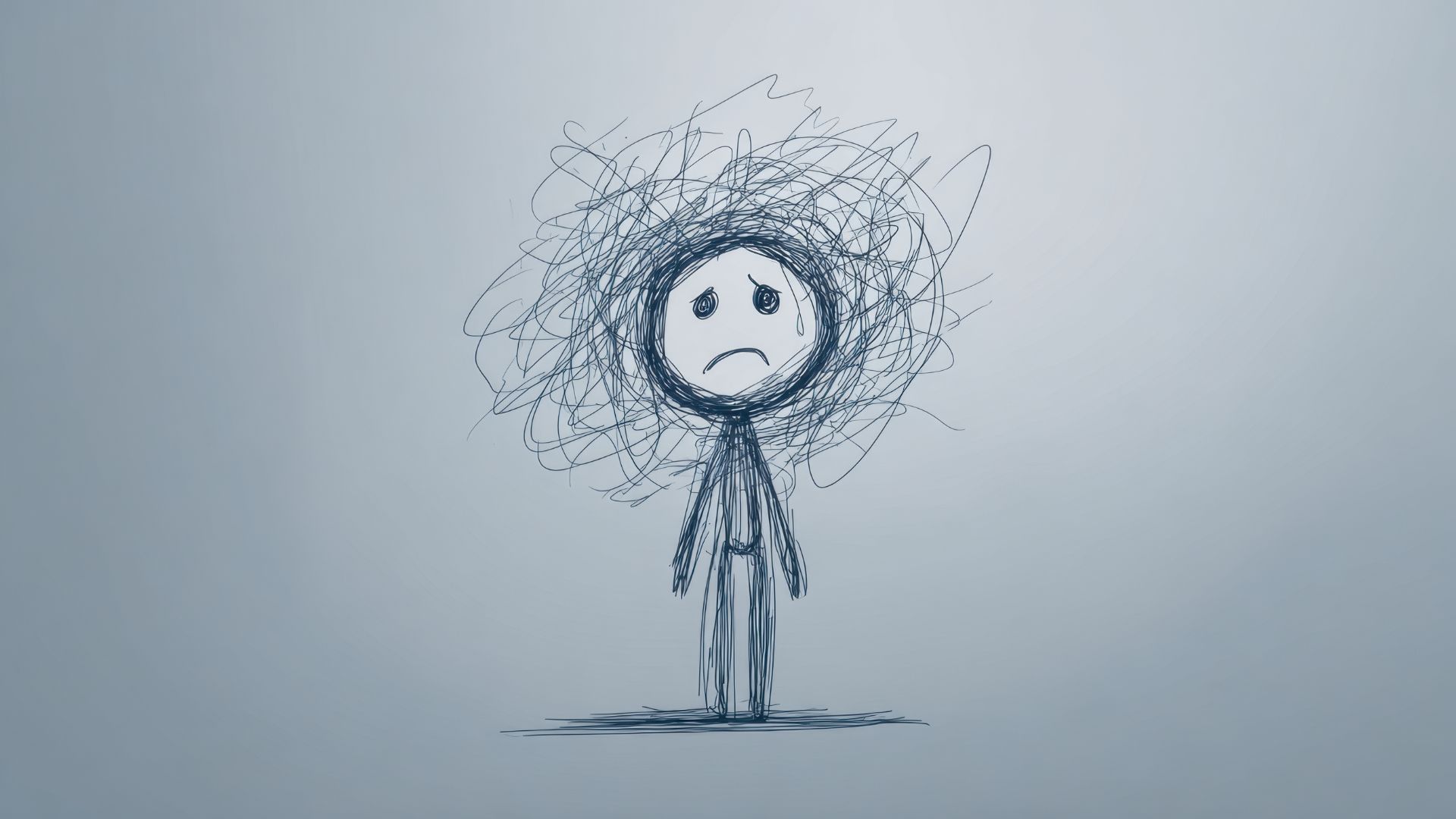
In Positive Intelligence terms, resilience comes from shifting away from the saboteur voices of fear, judgment, or control—and tapping into the Sage, the wiser part of the brain that sees possibility.
The Neuroscience of Resilience
Here’s what happens when leaders practice emotional resilience:
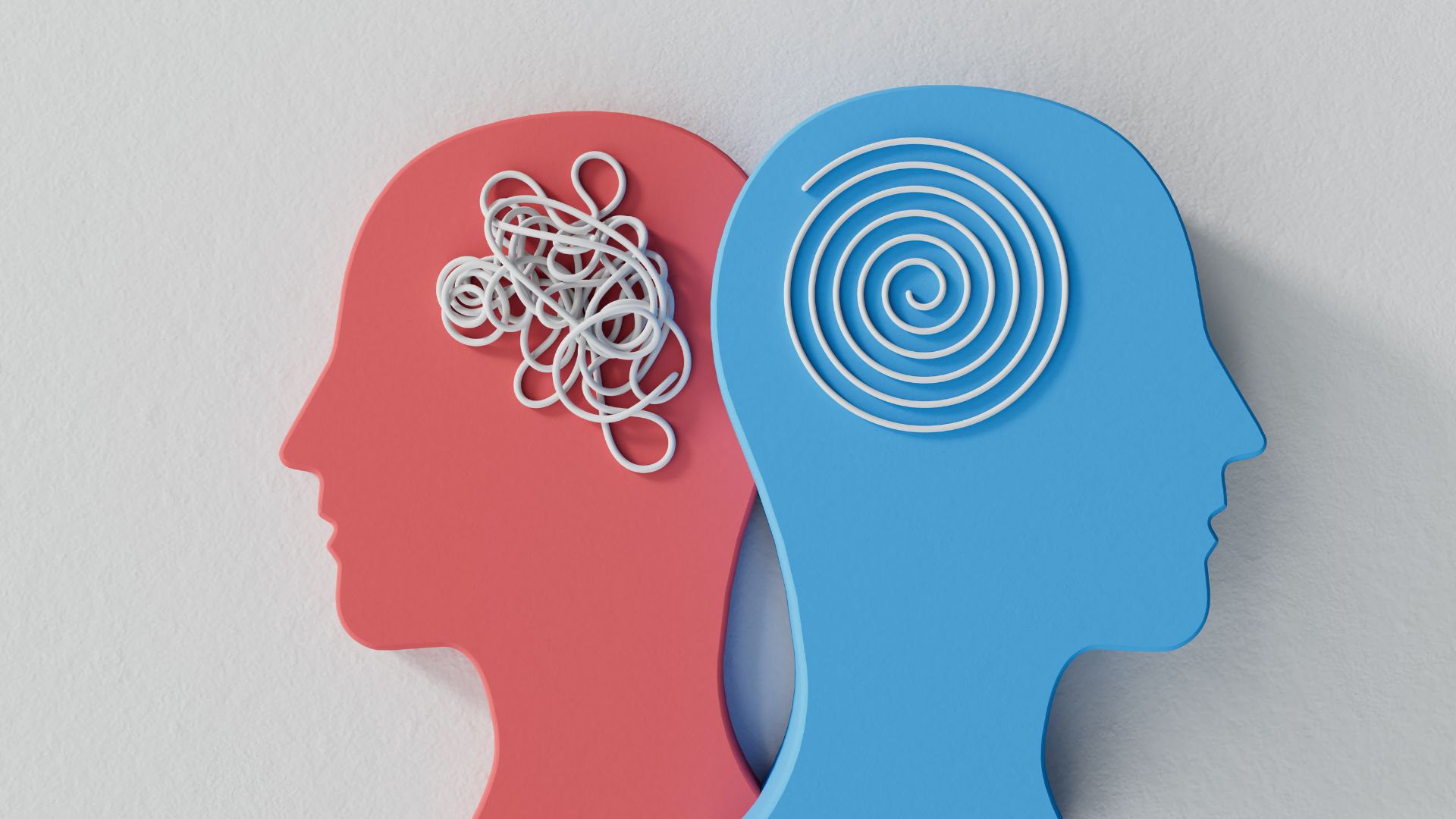
- Stress response calms down. The amygdala (fear center) quiets, lowering cortisol.
- Clarity improves. The prefrontal cortex engages, enabling better decision-making.
- Energy sustains. Instead of draining mental resources through overreaction, the brain stays balanced.
Resilience literally rewires the brain for strength under pressure.
The Leadership Advantage
Leaders who build resilience:
- Inspire trust because they model steadiness.
- Encourage innovation because they don’t lead from fear.
- Protect their energy and their team’s, avoiding burnout.
As Tony Robbins says, “It’s not the events of your life that shape you. It’s the meaning you attach to them.” Resilient leaders find empowering meaning, even in setbacks—and that meaning becomes fuel.
The Takeaway
Howard Schultz didn’t save Starbucks because he had all the answers. He saved it because he had the resilience to stay calm, grounded, and connected when everything seemed uncertain.
That’s the real superpower of leadership: not avoiding challenges, but facing them with emotional strength that others can lean on.
And resilience isn’t fixed—it’s a skill. Like any muscle, it grows with practice.
Reflection Question
How do you typically respond when pressure rises—with reactivity or resilience?
Action Step
This week, notice one stressful moment. Instead of reacting immediately, pause, breathe, and ask: “What’s the most resilient response I can choose right now?”