Building Mental Fitness: Why Your Brain Needs a Workout Too
A few months ago, I was talking with a leader named Jordan who had just joined a fast-growing startup. His role demanded long hours, tough decisions, and constant problem-solving.
At first, Jordan powered through with sheer willpower—extra coffee, late nights, and telling himself he’d “rest later.” But soon, his energy dipped. He was snapping at his team, forgetting key details, and second-guessing his choices.
“It’s strange,” he told me. “I’ve always been strong under pressure. But lately, I feel like my brain is working against me.”
And in a way, it was.
Why Mental Fitness Matters
We know the value of physical fitness—you wouldn’t expect to run a marathon without training your body. Yet leaders often expect their brains to perform at peak capacity without regular conditioning.
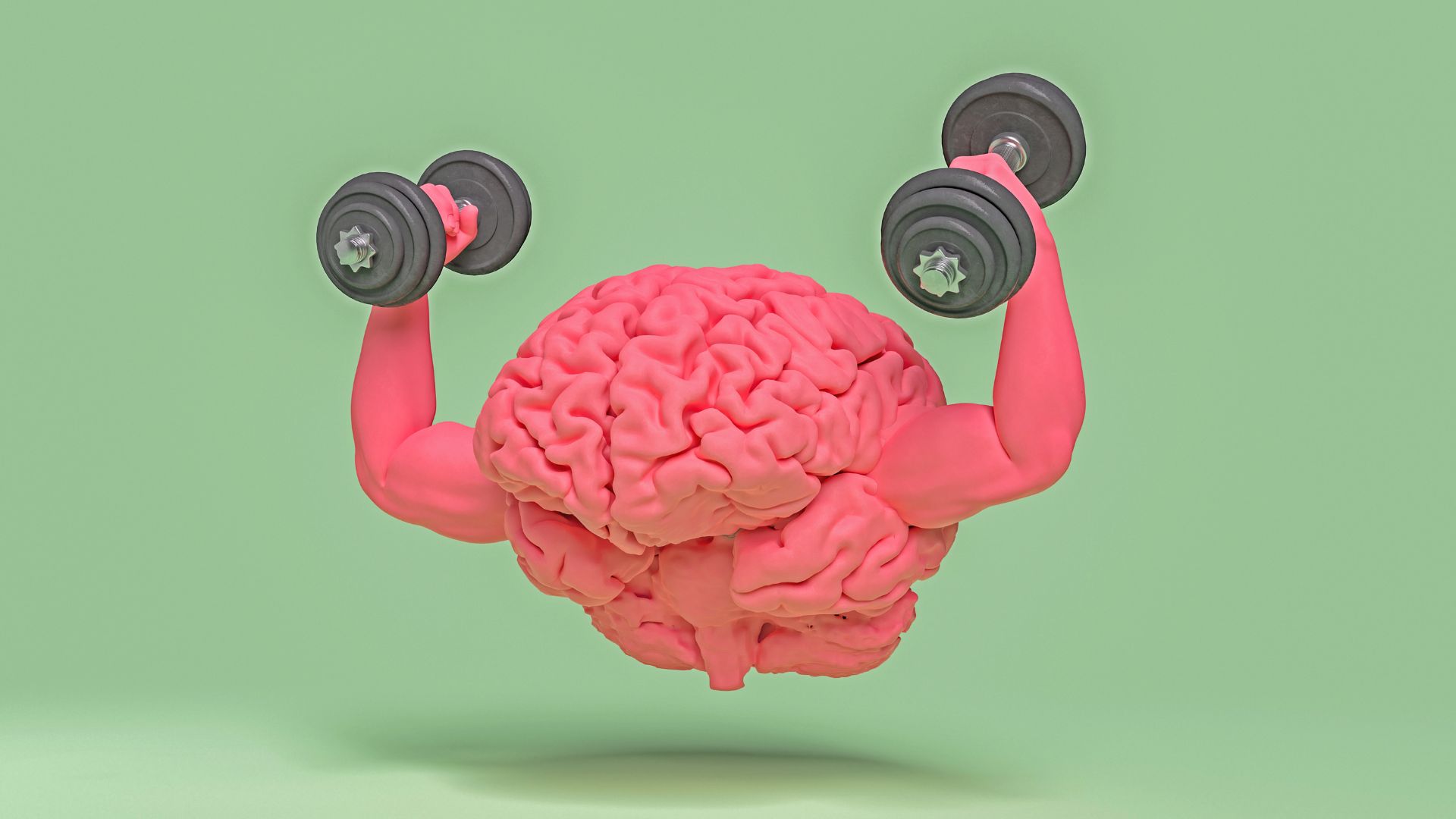
Here’s the truth: your brain is a muscle too. Without consistent training, it defaults to old habits, fear-driven reactions, and mental fatigue.
In Positive Intelligence, we call this the battle between your Saboteurs (automatic, limiting thought patterns) and your Sage (your wiser, resilient self). The more you practice shifting to Sage, the stronger your “mental fitness muscles” become.
The Science Behind It
Neuroscience shows us that every thought we repeat strengthens certain neural pathways.
- Negative patterns (like overthinking, worrying, or judging) activate the survival brain and wire in stress.
- Positive patterns (like curiosity, empathy, and creativity) activate the prefrontal cortex and wire in clarity.
This process—neuroplasticity—means we can literally reshape our brains. But just like the gym, results only come with practice.
As Tony Robbins says, “Repetition is the mother of skill.” That’s true not only for physical habits but also for mental ones.
Jordan’s Turning Point
When Jordan realized his brain was burning out, we began small mental fitness “workouts.”
He practiced short exercises daily—breathing techniques, sensory resets, and reframing negative thoughts into opportunities. These micro-practices took less than two minutes, but they shifted his state of mind.
Over time, his team noticed a difference. He was calmer in meetings, quicker to encourage others, and clearer in decision-making. His brain wasn’t working against him anymore—it was working for him.
The Lesson for Leaders
Leadership isn’t just about strategy and execution—it’s about energy and resilience. And that begins in the mind.
Without mental fitness, even the smartest leaders fall into reactivity, stress, and burnout. With it, they build clarity, confidence, and creativity.
It’s not about never feeling pressure. It’s about training your brain to stay resourceful under pressure.
The Takeaway
Physical fitness helps you run faster. Mental fitness helps you lead wiser.
The stronger your brain, the more capacity you have to inspire, decide, and create—without draining yourself in the process.
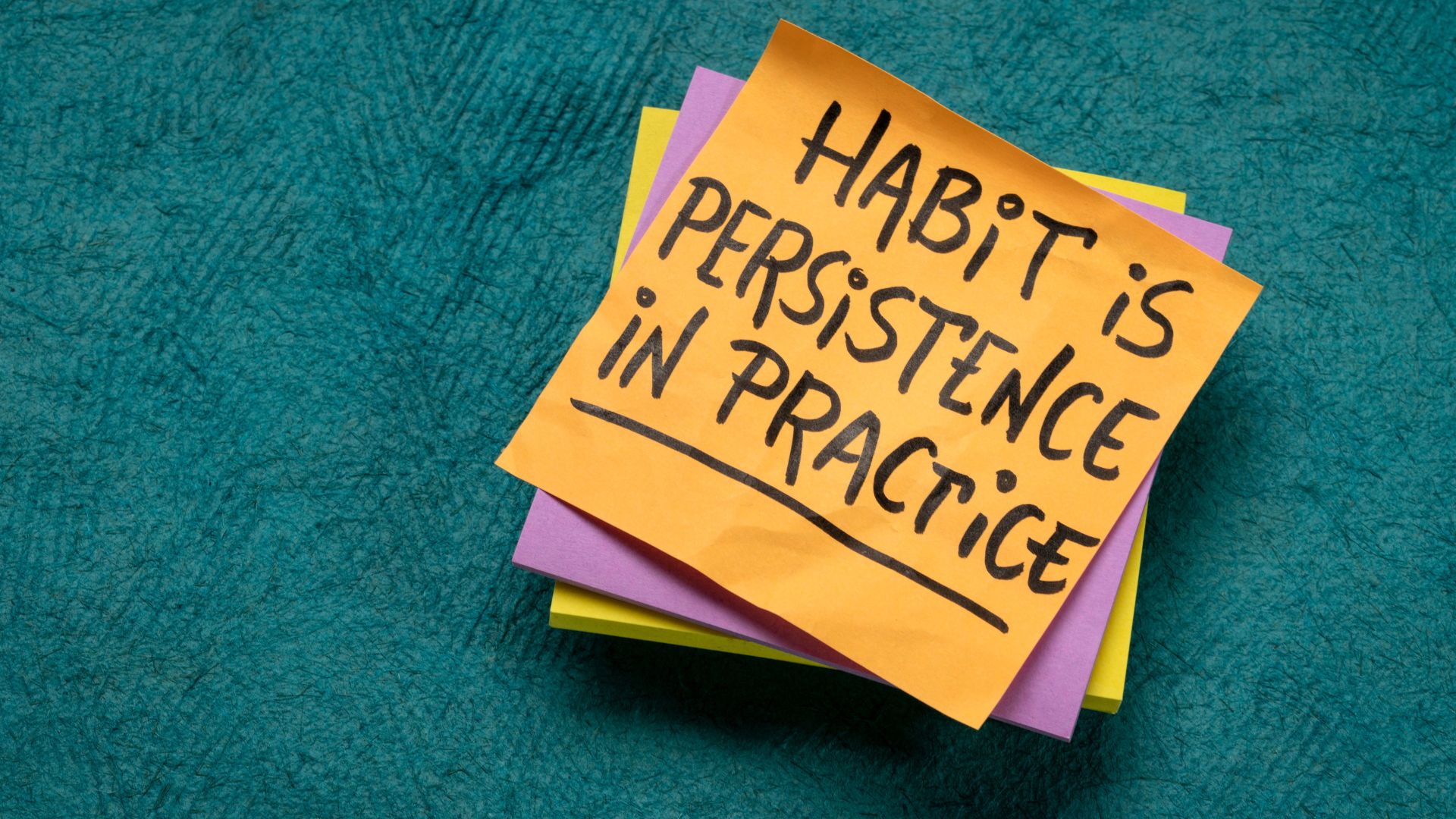
And like any workout, consistency matters more than intensity.
Reflection Question
What’s one mental “muscle” you’d like to strengthen—focus, resilience, calm, or creativity?
Action Step
Commit to one daily 2-minute mental fitness practice this week. Notice how it shifts your energy—and your leadership.