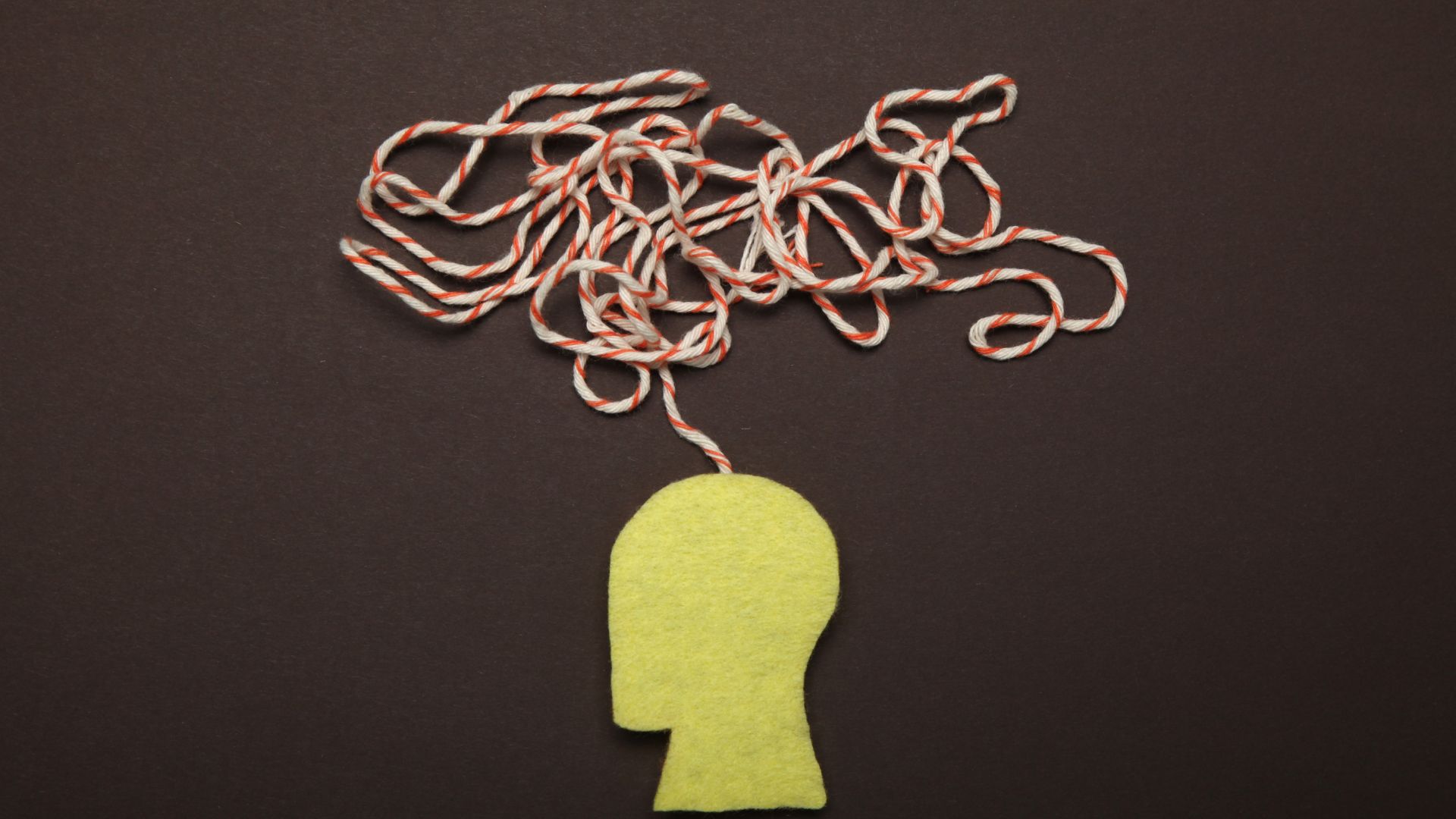
The Neuroscience of Decision-Making: What Every Leader Should Know
Not long ago, I was coaching a sales manager—we’ll call her Angela.
Angela led a small but mighty team. Their numbers were decent, but they had just lost a major client. Now, she faced a tough decision: should she double down on her existing accounts or take the risk of shifting her team’s focus toward breaking into new markets?
On paper, both options had pros and cons. But Angela wasn’t struggling with spreadsheets—she was struggling with her own brain.
“I feel torn,” she admitted. “One voice says, ‘Play it safe—protect what’s left.’ Another says, ‘Go bold—this is the time to expand.’ I can’t tell which one is right.”
The truth? Her brain was in conflict. And every leader has been there.
The Two Systems at Play
Neuroscience explains why decision-making often feels like a tug-of-war. We’re wired with two very different systems:
- The Survival Brain (Limbic System): fast, emotional, and fear-driven. It’s focused on avoiding loss. In Positive Intelligence terms, this is where saboteurs like the Judge, Hyper-Vigilant, or Stickler operate.
- The Executive Brain (Prefrontal Cortex): slower, rational, and creative. This is where long-term vision, empathy, and problem-solving live. Positive Intelligence calls this the Sage—the part of us that looks for opportunities instead of threats.
When leaders feel pressure, the survival brain often hijacks the process. That’s why Angela felt frozen—she was bouncing between fear of loss and the urge to prove herself.
Angela’s Turning Point
In our session, I guided Angela through a short exercise. She closed her eyes, took a few grounding breaths, and shifted focus away from fear. Then I asked: “If you looked at this decision through the lens of opportunity—not risk—what would you see?”
Her energy changed. She sat taller. Her tone steadied.
“Well,” she said slowly, “new markets mean my team would grow in confidence, not just in sales numbers. It’s an investment in their future, not just the company’s.”
That insight didn’t come from a spreadsheet. It came from engaging the executive brain—and quieting the noise of the saboteurs.
What Neuroscience Tells Us
Every time a leader interrupts fear-driven reactivity and chooses a Sage perspective, they strengthen neural pathways in the prefrontal cortex. This process—neuroplasticity—literally trains the brain to make better decisions under stress.
Tony Robbins often says, “It is in your moments of decision that your destiny is shaped.” Neuroscience takes it further: the quality of your decisions depends on which part of your brain you’re using.
Survival brain = reactive choices.
Executive brain = resilient leadership.
The Lesson for Leaders
Decision-making isn’t just about information. It’s about managing your mental state.
- Survival State: reactive, fear-based, saboteur-led.
- Resilient State: calm, focused, Sage-led.
Angela didn’t just choose a strategy—she chose which part of her brain to lead from. That shift rippled out to her entire sales team, who began to feel more confident and motivated under her leadership.
The Takeaway
Leaders often think clarity comes from more data. But the real clarity comes from leading your brain, not letting your brain lead you.
The more you practice shifting from survival mode to Sage, the more resilient—and confident—your decisions become.
Because leadership isn’t about eliminating fear, it’s about choosing clarity over chaos.
Reflection Question
In your current decisions, which voice is louder—the survival brain or the Sage?
Action Step
This week, notice one decision where you feel pulled in two directions. Pause, breathe, and ask: “What’s the opportunity here?” Then act from that place.